
Endoscopic Discectomy: A Minimally Invasive Solution for Slipped Disc Pain
Understanding Slipped Disc and Its Impact on Daily Life
A slipped disc, also known as a herniated or prolapsed disc, occurs when the soft inner portion of a spinal disc pushes through its outer layer and compresses nearby nerves. This condition commonly affects the lower back and can lead to symptoms such as persistent back pain, sciatica, numbness, tingling sensations, and weakness in the legs. In some cases, the pain can become severe enough to interfere with routine activities, work responsibilities, sleep, and overall quality of life.
Most patients initially respond well to conservative treatments such as medications, physical therapy, lifestyle modifications, and guided exercise programs. However, when symptoms persist despite these measures or when nerve compression begins to affect mobility and function, advanced treatment options may be considered. One such highly effective and minimally invasive solution is Endoscopic Discectomy.
What Is Endoscopic Discectomy and How Does It Work?
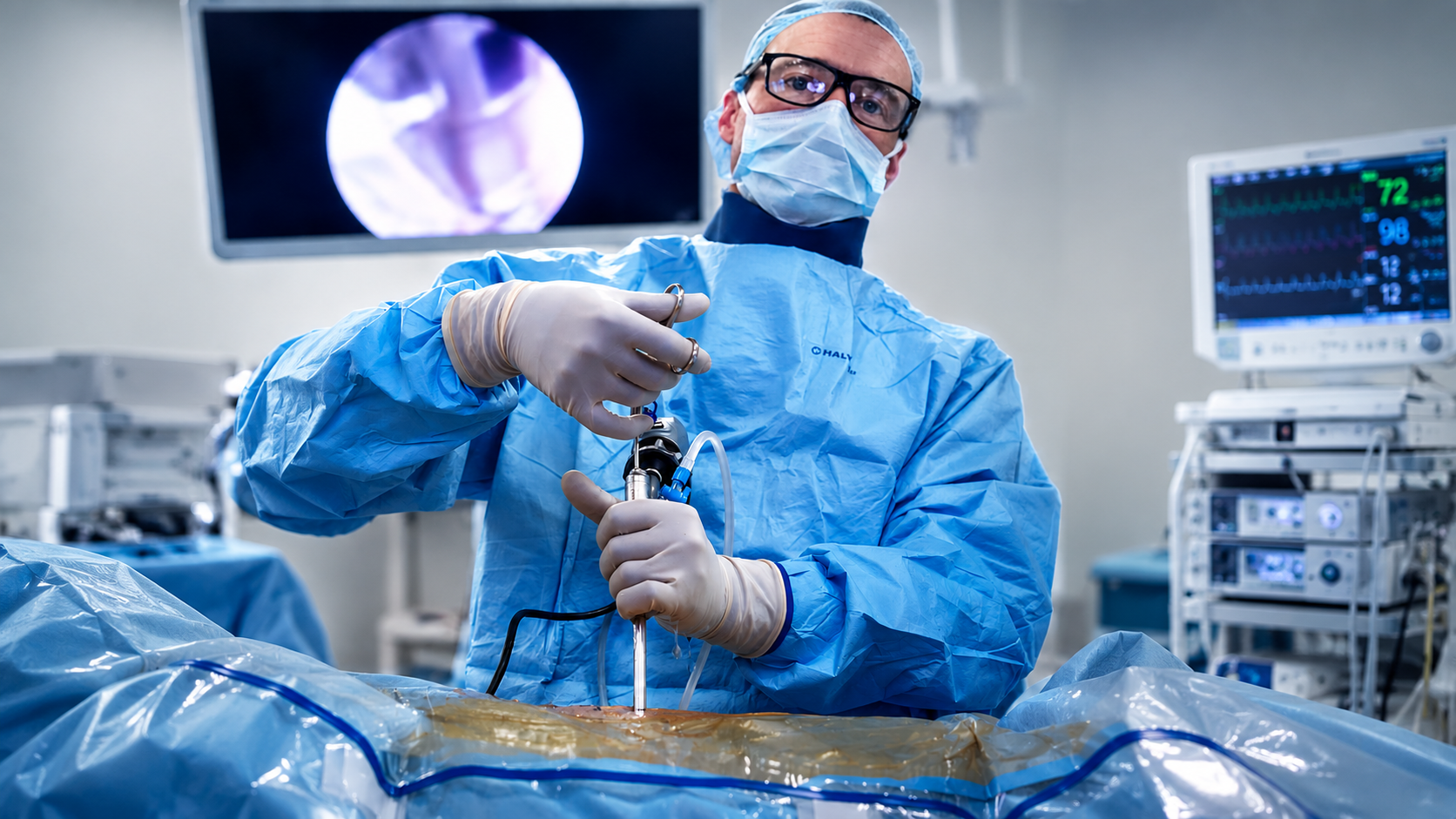
Endoscopic Discectomy is an advanced spine procedure designed to remove the portion of a damaged disc that is pressing on nearby nerves. Unlike traditional open spine surgery, this technique is performed through a very small incision using a specialized endoscope equipped with a high-definition camera and surgical instruments.
The endoscope allows the physician to visualize the affected area with exceptional precision while minimizing disruption to surrounding muscles, ligaments, and healthy tissues. The compressed nerve is carefully decompressed by removing the problematic disc material, helping alleviate pain and restore normal nerve function.
This procedure is typically performed under local anesthesia with sedation or general anesthesia, depending on the patient’s condition and treatment plan. Because the approach is minimally invasive, patients often experience less postoperative discomfort and a significantly shorter recovery period compared to conventional surgery.
Key Benefits of Endoscopic Discectomy
- Smaller incisions and minimal tissue damage, resulting in reduced postoperative pain and scarring.
- Faster recovery and earlier return to daily activities compared to traditional open spine surgery.
- Lower risk of blood loss, infection, and complications due to the minimally invasive approach.
- Precise nerve decompression under direct visualization, improving treatment accuracy and outcomes.
Who Can Benefit from Endoscopic Discectomy?
Endoscopic Discectomy is particularly beneficial for patients suffering from disc-related nerve compression that has not improved with conservative treatment. Individuals experiencing chronic back pain, sciatica, leg pain, numbness, tingling, or muscle weakness caused by a herniated disc may be suitable candidates for this procedure.
A detailed clinical evaluation, neurological examination, and imaging studies such as MRI scans are essential to determine whether Endoscopic Discectomy is the right treatment option. Every patient is unique, and treatment recommendations should be based on the severity of symptoms, the location of the disc problem, and overall health status.
With continuous advancements in interventional spine care, Endoscopic Discectomy has become an increasingly preferred alternative to traditional spine surgery for selected patients. By combining precision, safety, and faster recovery, this minimally invasive procedure offers effective long-term relief from slipped disc pain while helping patients regain mobility, confidence, and a better quality of life.
Share This: