
Stem Cell Therapy for Pain Relief and Tissue Regeneration
Understanding Stem Cell Therapy and Regenerative Healing
The field of regenerative medicine has transformed the way chronic pain and tissue injuries are treated. Rather than focusing solely on symptom management, regenerative therapies aim to promote healing and repair at the source of the problem. Among these advancements, Stem Cell Therapy has emerged as a promising option for patients seeking alternatives to surgery or long-term medication use.
Stem cells are unique cells with the ability to develop into specialized tissue cells and support the body’s natural healing processes. They play an important role in tissue repair, inflammation control, and regeneration. When introduced into damaged or degenerative tissues, stem cells may help stimulate healing responses, support tissue recovery, and improve overall function.
Stem Cell Therapy is increasingly being explored for conditions such as osteoarthritis, tendon injuries, ligament damage, chronic joint pain, and certain spine-related disorders. For many patients, it offers a minimally invasive option that focuses on restoring tissue health while reducing pain and improving mobility.
How Stem Cell Therapy Works
The treatment process begins with a comprehensive medical evaluation to determine whether Stem Cell Therapy is appropriate for the patient’s condition. Once suitability is confirmed, stem cell-containing material is obtained through specialized medical techniques and processed for therapeutic use.
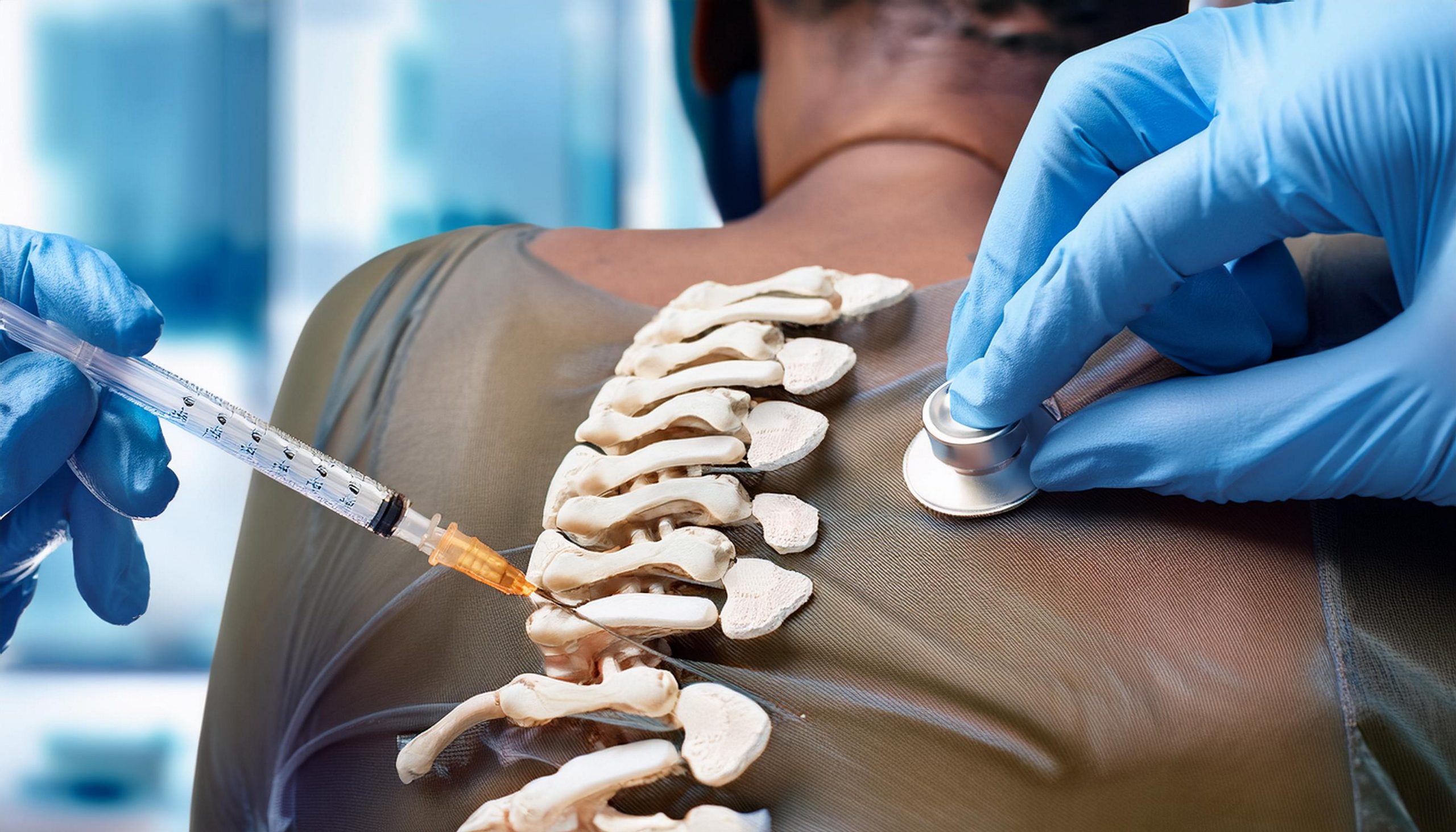
The prepared stem cells are then carefully delivered to the affected area using image-guided techniques to ensure precision and safety. Once introduced into damaged tissues, stem cells release signaling molecules and growth factors that help regulate inflammation, encourage tissue repair, and support the body’s natural regenerative mechanisms.
Unlike treatments that only mask symptoms, Stem Cell Therapy aims to address underlying tissue damage. Because regeneration occurs gradually, improvements often develop over weeks and months as healing progresses. The extent of recovery can vary depending on the condition being treated, the severity of tissue damage, and individual patient factors.
Potential Benefits of Stem Cell Therapy
- Supports tissue repair and regeneration by enhancing the body's natural healing response.
- May reduce pain and inflammation associated with chronic orthopedic and musculoskeletal conditions.
- Minimally invasive treatment option with limited downtime compared to major surgery.
- Can improve mobility, function, and quality of life by addressing underlying tissue damage.
Who Can Benefit from Stem Cell Therapy?
Stem Cell Therapy may be considered for patients experiencing chronic pain, osteoarthritis, tendon injuries, ligament disorders, and other degenerative musculoskeletal conditions that have not responded adequately to conventional treatments. It is often explored by individuals seeking to delay or avoid surgical intervention while pursuing long-term functional improvement.
A personalized treatment approach is essential, as not every patient or condition is suitable for regenerative therapies. Detailed evaluation, diagnostic imaging, and clinical assessment help determine the most appropriate course of treatment.
As research in regenerative medicine continues to advance, Stem Cell Therapy remains one of the most exciting developments in modern pain management. By promoting healing at the cellular level, it offers new possibilities for reducing pain, restoring function, and improving quality of life. For carefully selected patients, Stem Cell Therapy can be an important step toward achieving lasting relief and enhanced physical well-being.
Share This: