
Trigeminal Neuralgia: Understanding One of the Most Severe Facial Pain Conditions
What Is Trigeminal Neuralgia and Why Is It So Painful?
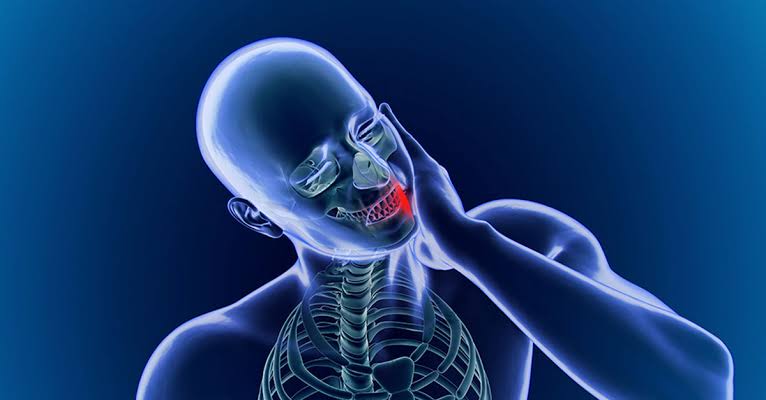
Trigeminal Neuralgia is a chronic nerve disorder that affects the trigeminal nerve, the primary nerve responsible for carrying sensation from the face to the brain. Often referred to as one of the most painful neurological conditions, trigeminal neuralgia causes sudden, intense episodes of facial pain that can be debilitating and significantly impact daily life.
The pain is typically described as sharp, stabbing, electric shock-like, or burning in nature. These painful episodes usually affect one side of the face and may involve the cheek, jaw, lips, gums, teeth, or around the eye. Attacks can last from a few seconds to several minutes and may occur repeatedly throughout the day.
Simple everyday activities such as talking, chewing, brushing teeth, washing the face, applying makeup, or even feeling a light breeze on the skin can trigger severe pain. Due to the unpredictable nature of these episodes, many patients develop anxiety and fear of performing routine activities, which can affect their emotional well-being and quality of life.
Causes and Symptoms of Trigeminal Neuralgia
In many cases, trigeminal neuralgia occurs when a blood vessel compresses the trigeminal nerve near its origin at the brainstem. This pressure can damage the protective covering of the nerve, known as myelin, causing abnormal nerve signaling and severe pain.
Other potential causes include multiple sclerosis, nerve injuries, tumors, or other neurological conditions that affect the trigeminal nerve. Although the condition is more common in individuals over the age of 50, it can occur at any age.
Common symptoms include recurrent episodes of sudden facial pain, pain triggered by touch or movement, periods of pain-free intervals between attacks, and increasing frequency or intensity of pain over time. Accurate diagnosis often requires a detailed clinical evaluation and imaging studies such as MRI scans to identify possible underlying causes.
Common Signs of Trigeminal Neuralgia
- Sudden electric shock-like facial pain that occurs without warning.
- Pain triggered by everyday activities such as eating, speaking, or brushing teeth.
- Episodes affecting one side of the face, commonly involving the cheek, jaw, or lips.
- Recurring attacks that become more frequent or severe if left untreated.
Modern Treatment Options for Effective Pain Relief
The goal of trigeminal neuralgia treatment is to reduce pain, improve quality of life, and restore normal daily functioning. Initial treatment often involves medications that help stabilize nerve activity and reduce painful episodes. Many patients experience significant relief with appropriate medical management.
For individuals who do not respond adequately to medication or experience intolerable side effects, advanced interventional pain management techniques may be recommended. Image-guided nerve blocks, radiofrequency procedures, and other minimally invasive interventions can target the affected nerve and provide long-lasting relief.
A personalized treatment plan is essential, as every patient’s symptoms and underlying causes may differ. Early diagnosis and timely intervention can prevent worsening symptoms and improve treatment outcomes.
Although trigeminal neuralgia is considered one of the most severe facial pain conditions, modern pain management strategies offer effective solutions. With expert evaluation and comprehensive care, many patients can achieve substantial pain relief and return to a more comfortable, active, and fulfilling life.
Share This: