
Understanding Back Pain and Slipped Discs: Causes, Symptoms, and Treatments
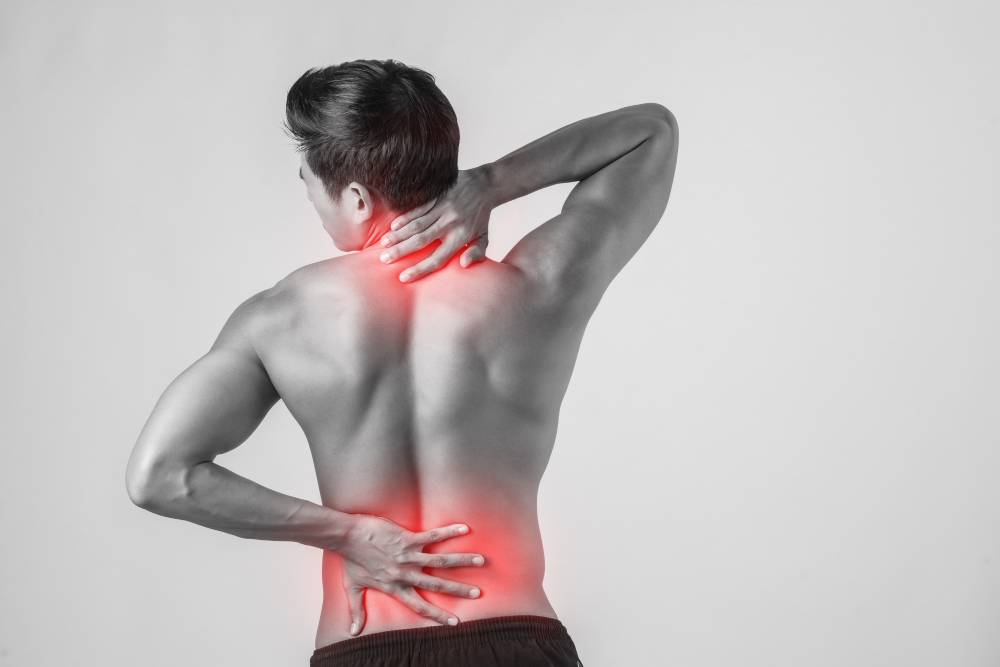
Understanding Back Pain and Slipped Discs
Back pain is one of the leading causes of disability worldwide, affecting people of all ages and lifestyles. While muscle strain, poor posture, and age-related degeneration are common contributors, a slipped disc is one of the most frequent causes of persistent back and leg pain. Also known as a herniated or prolapsed disc, a slipped disc occurs when the soft inner portion of a spinal disc pushes through its outer layer and places pressure on nearby nerves.
The spine consists of vertebrae separated by discs that act as shock absorbers and provide flexibility during movement. Over time, these discs can weaken due to aging, repetitive strain, heavy lifting, injuries, or prolonged poor posture. When a disc bulges or ruptures, it can irritate or compress spinal nerves, leading to pain and neurological symptoms.
Although slipped discs most commonly occur in the lower back, they can also affect the neck region. The severity of symptoms varies depending on the location and extent of nerve compression.
Common Symptoms and Diagnosis
The symptoms of a slipped disc can range from mild discomfort to severe, disabling pain. Many patients experience lower back pain accompanied by pain radiating into the buttocks, legs, or feet, a condition commonly known as sciatica. Others may notice tingling sensations, numbness, muscle weakness, or difficulty performing routine activities.
Prompt diagnosis is important to prevent worsening symptoms and long-term nerve damage. A detailed medical history, physical examination, and imaging studies such as MRI scans help identify the exact location and severity of the disc problem. These evaluations also assist physicians in developing an individualized treatment plan.
While not every slipped disc requires surgery, persistent symptoms or neurological deficits should always be evaluated by a spine and pain specialist.
Common Signs of a Slipped Disc
- Persistent back or neck pain that interferes with daily activities.
- Radiating pain into the arms or legs due to nerve compression.
- Numbness, tingling, or muscle weakness in the affected limbs.
- Pain that worsens with sitting, bending, lifting, or prolonged activity.
Treatment Options for Lasting Relief
Most patients with back pain and slipped discs improve with conservative treatments such as medications, physical therapy, posture correction, and guided exercise programs. These approaches aim to reduce inflammation, strengthen supporting muscles, and improve spinal stability.
For patients with persistent pain, advanced interventional treatments may be recommended. Epidural injections, nerve-targeting procedures, ozone discectomy, radiofrequency interventions, and endoscopic discectomy can provide effective relief while minimizing tissue damage and recovery time.
Treatment decisions are based on the patient’s symptoms, imaging findings, lifestyle, and overall health. Early intervention often leads to better outcomes and can help prevent chronic pain from developing.
With advances in spine care and pain management, most individuals suffering from back pain and slipped discs can achieve meaningful relief without major surgery. A personalized treatment approach can restore mobility, improve function, and help patients return to an active and pain-free life.
Share This: