
Joint Interventions: Precision Treatments for Chronic Joint Pain
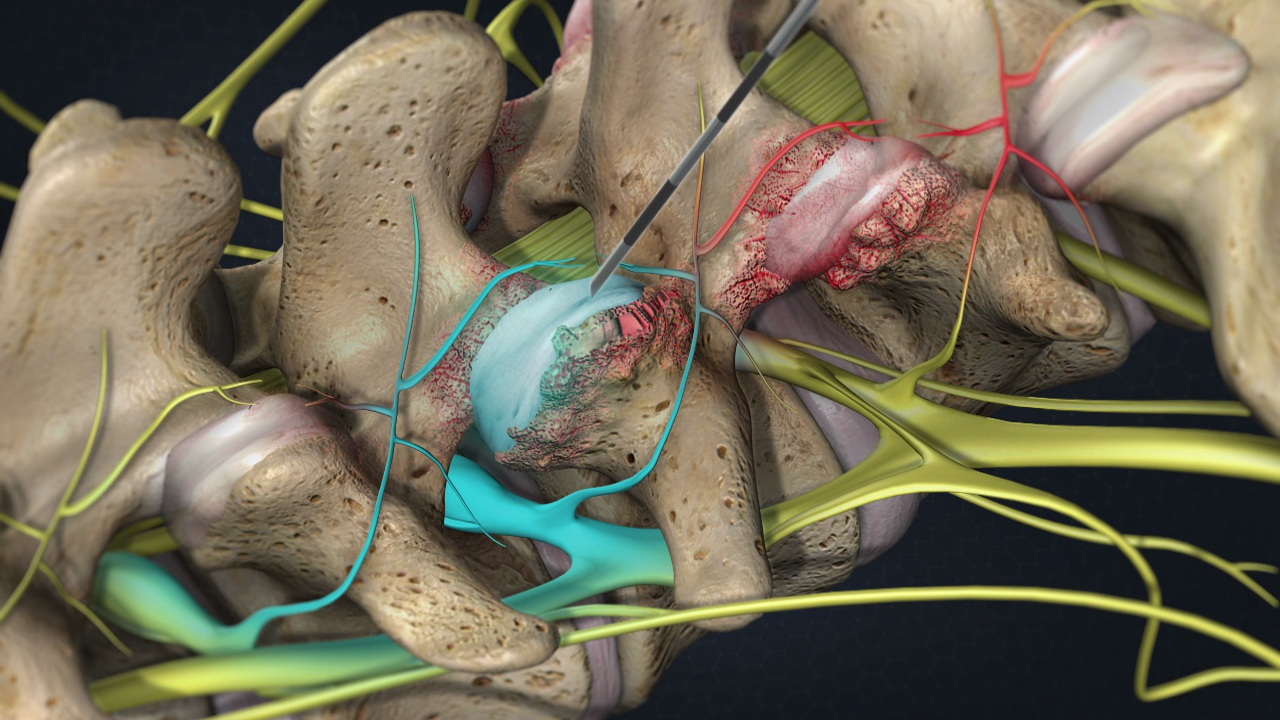
Understanding Chronic Joint Pain and Its Impact
Chronic joint pain is a common condition that affects millions of people worldwide. Whether caused by arthritis, injury, inflammation, degeneration, or overuse, persistent joint pain can significantly interfere with daily activities, work responsibilities, exercise, and overall well-being. Commonly affected joints include the knees, shoulders, hips, elbows, wrists, and sacroiliac joints.
Many individuals initially manage their symptoms with rest, medications, physical therapy, and lifestyle modifications. While these treatments can be effective, some patients continue to experience ongoing pain and stiffness that limit their mobility and independence. In such cases, advanced interventional pain management techniques may provide additional relief.
Joint interventions are minimally invasive procedures designed to diagnose and treat pain originating from specific joints. By precisely targeting the source of pain, these treatments can help patients achieve better symptom control while minimizing the need for long-term medication use or major surgical procedures.
How Joint Interventions Work
Joint interventions involve the use of image-guided techniques to accurately deliver therapeutic treatments directly into or around the affected joint. Depending on the underlying condition, these procedures may include joint injections, regenerative therapies, nerve-targeting interventions, or other advanced pain management techniques.
Using technologies such as ultrasound or fluoroscopic guidance, physicians can precisely identify the affected structures and administer treatment with a high degree of accuracy. This targeted approach helps reduce inflammation, alleviate pain, and improve joint function while minimizing exposure to surrounding tissues.
The procedures are typically performed on an outpatient basis and often require little downtime. Most patients can return to their normal activities shortly after treatment, making joint interventions a convenient option for individuals seeking effective pain relief without extensive recovery periods.
Benefits of Joint Interventions
- Targeted treatment directly at the source of pain for improved effectiveness.
- Minimally invasive procedures with reduced recovery time and minimal discomfort.
- Improved joint mobility and function, supporting a more active lifestyle.
- May delay or reduce the need for surgery in appropriately selected patients.
Conditions Commonly Treated with Joint Interventions
Joint interventions can be beneficial for a wide range of conditions, including osteoarthritis, rheumatoid arthritis, bursitis, tendon disorders, sports injuries, and chronic joint inflammation. They are also commonly used for patients who have not achieved sufficient relief through medications, exercise programs, or conventional therapies.
A comprehensive evaluation is essential to determine the most appropriate treatment strategy. Factors such as the severity of joint damage, the patient’s overall health, activity level, and long-term goals are carefully considered when developing a personalized care plan.
Advances in image-guided and regenerative medicine techniques have expanded the possibilities for treating chronic joint pain without major surgery. By combining precision, safety, and effectiveness, joint interventions can help patients reduce pain, restore mobility, and return to the activities they enjoy. For many individuals, these treatments represent an important step toward improved function, greater independence, and a better quality of life.
Share This: