
PRP Therapy: Harnessing Your Body's Natural Healing Power
Understanding PRP Therapy and Regenerative Medicine
The human body possesses remarkable natural healing abilities. However, in certain conditions such as chronic tendon injuries, ligament damage, osteoarthritis, and sports-related injuries, the healing process may be slow or incomplete. Platelet-Rich Plasma (PRP) Therapy is an advanced regenerative treatment designed to enhance the body’s natural repair mechanisms and promote faster recovery.
PRP Therapy involves using a concentrated form of the patient’s own blood platelets, which are rich in growth factors and bioactive proteins. These components play a critical role in tissue healing, inflammation control, and cellular regeneration. By delivering a high concentration of these healing factors directly to the injured area, PRP Therapy aims to stimulate repair and improve tissue function.
As a minimally invasive procedure, PRP has gained popularity among patients seeking alternatives to surgery or long-term medication use. It is widely used in orthopedics, sports medicine, pain management, and regenerative medicine to support recovery and improve quality of life.
How PRP Therapy Works
The procedure begins with a simple blood draw from the patient. The blood sample is then processed using specialized equipment to separate and concentrate the platelets. The resulting Platelet-Rich Plasma contains a significantly higher concentration of platelets than normal blood.
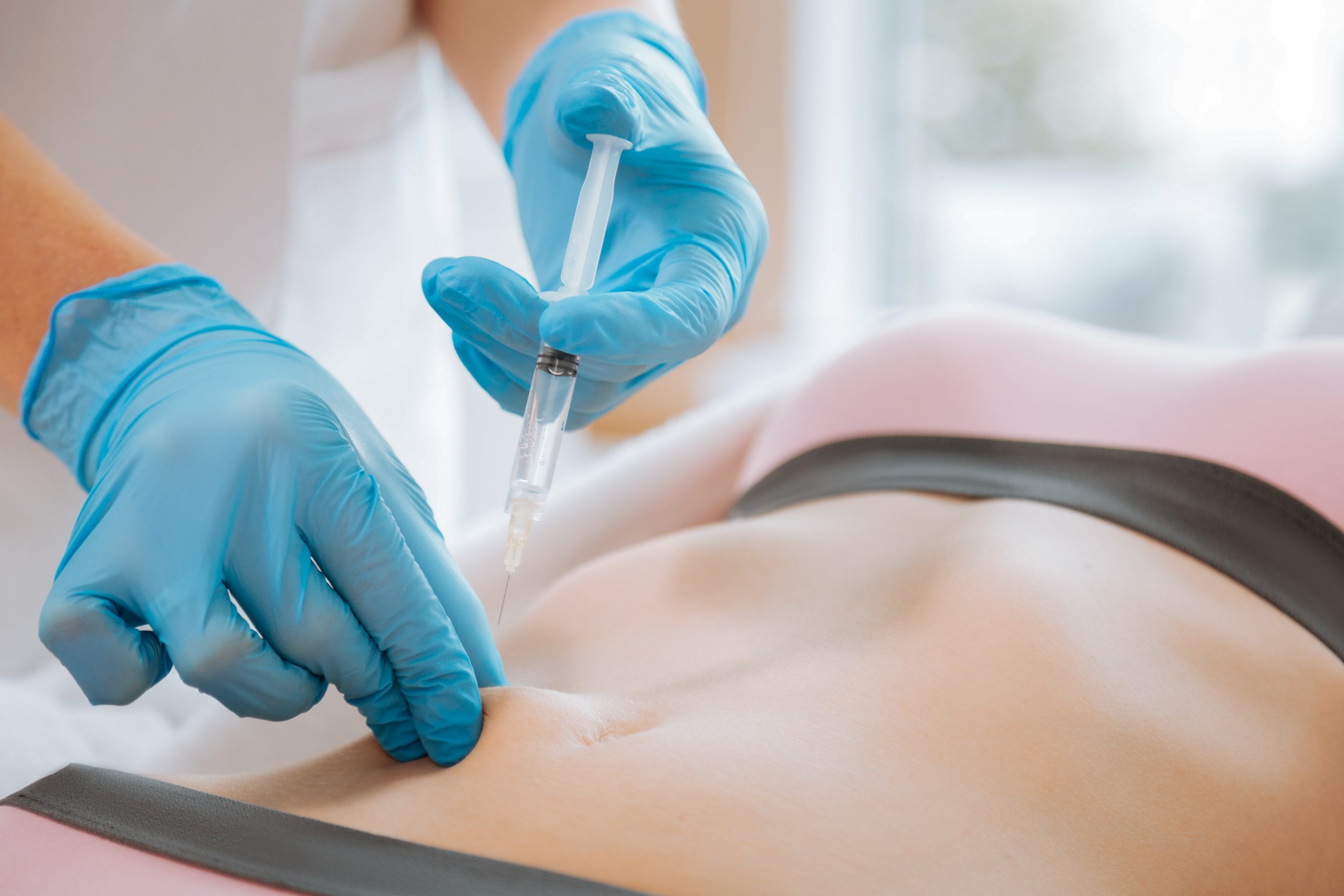
Once prepared, the PRP is carefully injected into the affected area under image guidance when necessary. The concentrated platelets release growth factors that help stimulate tissue repair, promote new cell growth, improve blood supply, and reduce inflammation. These biological processes support the body’s ability to heal damaged tissues naturally.
Because PRP is derived from the patient’s own blood, the risk of allergic reactions or rejection is extremely low. The treatment is typically performed as an outpatient procedure and requires minimal downtime, allowing most patients to resume normal activities shortly afterward.
Benefits of PRP Therapy
- Utilizes the body's natural healing mechanisms to promote tissue repair and regeneration.
- Minimally invasive procedure with little downtime and no major surgical intervention.
- May reduce pain and inflammation associated with chronic musculoskeletal conditions.
- Supports improved mobility and function by enhancing the healing process.
Conditions That May Benefit from PRP Therapy
PRP Therapy is commonly used to treat knee osteoarthritis, tendon injuries, ligament sprains, rotator cuff disorders, tennis elbow, plantar fasciitis, and various sports-related injuries. It may also be recommended for patients experiencing chronic pain that has not responded adequately to conventional treatments.
The effectiveness of PRP can vary depending on the condition being treated, the severity of tissue damage, and individual patient factors. A comprehensive evaluation helps determine whether PRP Therapy is an appropriate treatment option.
As regenerative medicine continues to evolve, PRP Therapy has become an important component of modern pain management and orthopedic care. By leveraging the body’s own healing potential, PRP offers a promising solution for patients seeking long-term pain relief, improved function, and enhanced recovery without major surgery.
Share This: