
Radiofrequency Ablation: Long-Lasting Relief for Chronic Pain
Understanding Chronic Pain and Its Causes
Chronic pain can significantly affect a person’s quality of life, limiting mobility, disrupting sleep, reducing productivity, and impacting emotional well-being. Conditions such as facet joint arthritis, degenerative spine disorders, sacroiliac joint dysfunction, and certain forms of osteoarthritis can lead to persistent pain that does not respond adequately to medications, physical therapy, or lifestyle modifications.
For many patients, pain originates from specific nerves that continuously transmit pain signals from damaged joints or spinal structures to the brain. While traditional treatments may help manage symptoms, they often do not directly address the source of these pain signals. This is where Radiofrequency Ablation (RFA) has emerged as an effective and minimally invasive treatment option for long-term pain relief.
How Radiofrequency Ablation Works
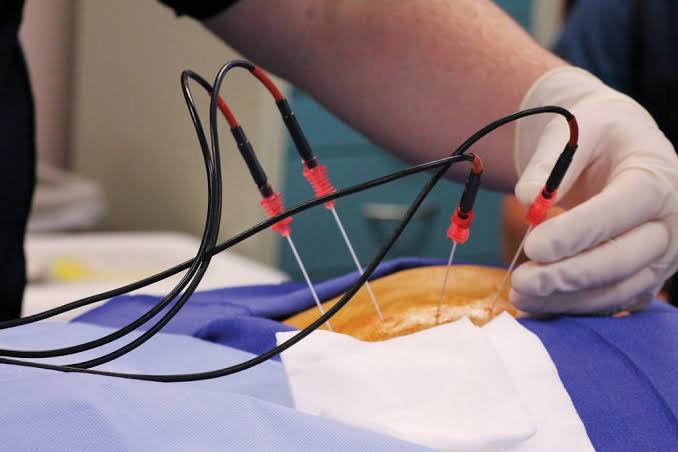
Radiofrequency Ablation is an advanced interventional pain management procedure that uses controlled radiofrequency energy to target and disrupt pain-transmitting nerves. By interrupting these nerve signals, the procedure reduces the brain’s ability to perceive pain originating from the affected area.
Before recommending RFA, diagnostic nerve blocks are often performed to identify the exact nerves responsible for the patient’s symptoms. Once the source of pain is confirmed, a specialized needle is guided to the target nerve using real-time imaging techniques such as fluoroscopy or ultrasound. Controlled heat generated through radiofrequency energy is then applied to the nerve, creating a small lesion that prevents it from transmitting pain signals effectively.
The procedure is typically performed on an outpatient basis and requires minimal recovery time. Most patients can return to their normal activities within a day or two, making it a convenient option for individuals seeking lasting relief without major surgery.
Benefits of Radiofrequency Ablation
- Provides long-lasting pain relief, often lasting six months to a year or longer in many patients.
- Minimally invasive outpatient procedure with little downtime and a quick return to daily activities.
- Reduces dependence on pain medications, helping patients avoid long-term medication-related side effects.
- Improves mobility and overall quality of life by targeting the source of chronic pain directly.
Who Is a Candidate for Radiofrequency Ablation?
Radiofrequency Ablation is commonly recommended for patients suffering from chronic neck pain, lower back pain, facet joint pain, sacroiliac joint pain, and certain types of arthritis-related discomfort. It is particularly beneficial for individuals who have experienced temporary relief from diagnostic nerve blocks but require a longer-lasting solution.
A comprehensive evaluation, including a detailed medical history, physical examination, and imaging studies, helps determine whether RFA is the most appropriate treatment option. Since every patient’s condition is unique, treatment plans should be tailored to their specific needs and pain patterns.
As part of a comprehensive pain management strategy, Radiofrequency Ablation offers a safe, precise, and effective way to manage chronic pain. By addressing pain at its source, RFA enables many patients to regain function, improve mobility, and return to a more active and fulfilling lifestyle without the need for major surgical intervention.
Share This: